
Coastal or Inland: Which "Costa Brava" Lifestyle is Right for You?
Imagine spending the morning on a cliffside terrace, espresso in hand, overlooking the Mediterranean doing that thing where it sparkles in the sun rays. By lunchtime you're forty minutes inland, parked outside a three-hundred-year-old stone masia surrounded by vineyards, and you'd swear you'd crossed into a different country. That's the trick of the Costa Brava. Say the name and everyone pictures the same postcard with turquoise coves, pine-covered cliffs, a seafood lunch with your toes in the sand. But the region the name covers is bigger, and far more varied than that.
Technically speaking, "Costa Brava" refers to the coastline itself. But ask anyone who actually lives here, and the lines blur fast. Even the region's own tourism board markets a wider "Costa Brava" that stretches inland to Girona city and beyond. So when someone says they're buying "on the Costa Brava," they might mean a cove-front villa in Begur. They might just as easily mean a farmhouse twenty minutes from the sea. And the differences between the lifestyles in each location isn't small.
Two different lifestyles within a short distance
What may be most surprising to people, is the vast difference between areas just a few kilometres apart. Five to ten minutes inland from the coast, the atmosphere changes completely. The salt air and sea breezes give way to something earthier, and you'd have no idea the beach was just down the road. Stone masias replace whitewashed villas, restaurants swap glittering cove views for grilled meat and vegetables served inside thick stone walls, and the whole pace of the place shifts depending on the seasons.
Cliffside coastal plots or sprawling inland gardens
Coastal plots are shaped by geography and demand as much as taste. Houses tend to be perched on cliffs or steep terrain, and high demand means land gets carved into steep, terraced plots. Buy on the coast and you'll likely get a smaller garden — often more decorative, due to the angles, than usable, though that depends on where exactly you land along the coast.
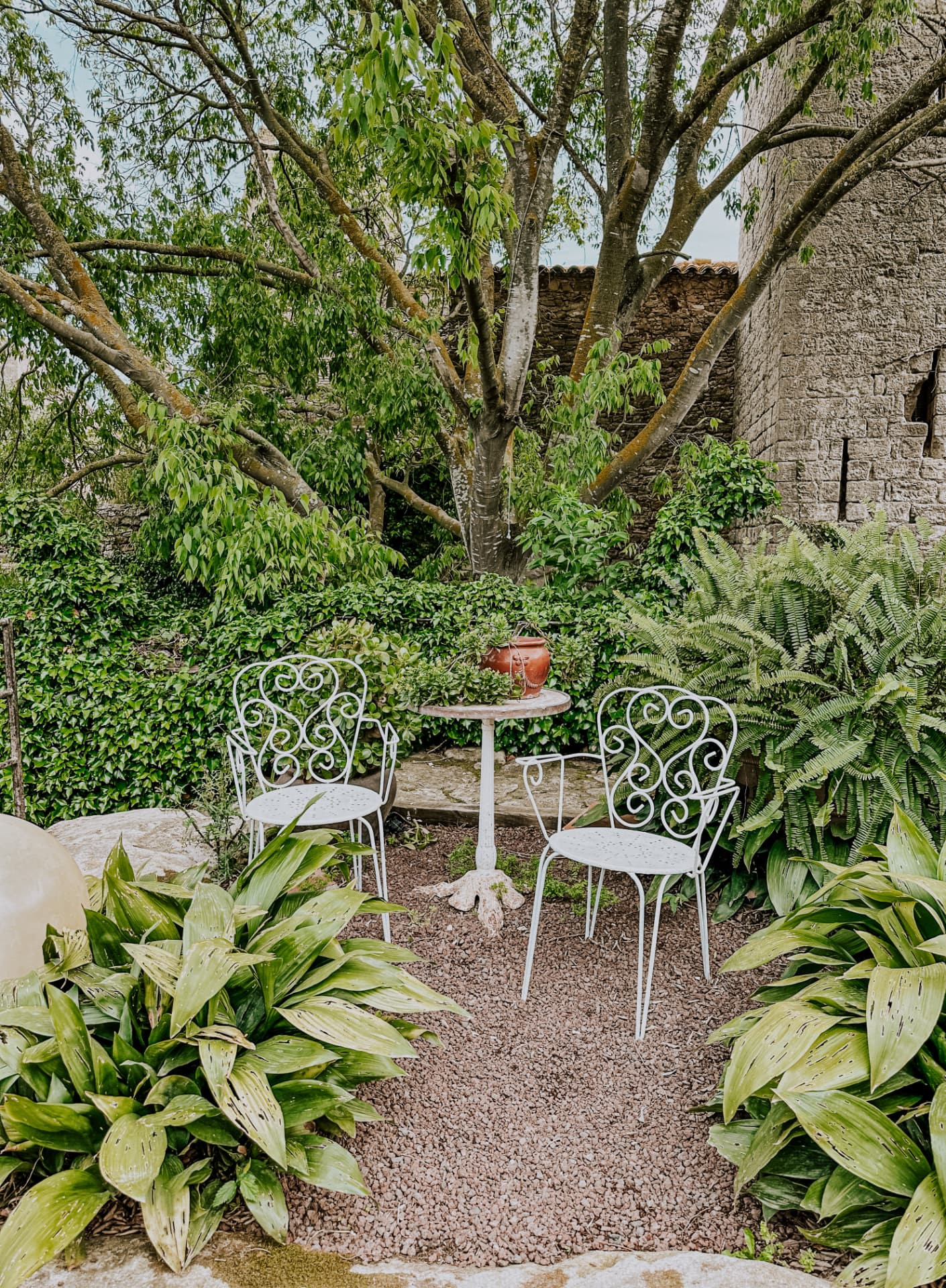
Inland, plots are generally flatter and can run into the hundreds or thousands of square metres. If you're someone who actually wants a garden to dig into, animals to keep, or a few olive trees of your own, inland is where that life lives.
If your ideal day is mostly spent in the house or by the pool, with the sea doing the entertaining and very little garden to maintain, coastal will suit you better.
How you'll actually spend your afternoons
On the coast, life happens close to the water. A quick dip at a cove, lunch at a chiringuito, fresh mojitos, oysters, grilled seafood. Inland, you gather instead — at an old farmhouse or in a medieval town, around a big table of grilled meats and vegetables, inside walls that have clearly seen a few centuries of stories.
The rhythm of the seasons
Beach towns run hot in summer as visitors from Girona, Barcelona and much further abroad, come to join in. It's social, high-energy, and busy in the best and most exhausting ways. Come winter, though, some of those same towns go quiet enough to feel like ghost towns which is worth keeping in mind if you're planning to live somewhere year-round rather than just for August.
Inland, the seasonal swing is far gentler. Properties can be spread out, more people live there full-time, and even medieval villages stay fairly steady unless we're talking about incredibly popular Pals and Peratallada.
The weather itself
Right on the coast, temperatures stay steadier, but the sky is a little less predictable — grey clouds roll in and vanish just as fast, and a short sharp shower isn't unusual. Inland, summers run a few degrees hotter and winters a few degrees colder. Cold enough, some years, for pools to freeze over. Something you'll basically never see a few hundred metres from the sea.
A few more contrasts worth knowing
A handful of practical differences don't get talked about as much, but matter just as much once you're actually living somewhere:
Upkeep looks different in each direction. Salt air is hard on cars, railings, and outdoor furniture right on the coast; inland, the trade-off may be larger properties and plots meaning lock-up-and-leave can be challenging.
Resale and rental demand differ too. Coastal homes tend to have a bigger, faster-moving buyer pool and a strong holiday-rental market. Inland homes usually take longer to sell, though with that said, rustic homes with gardens and a pool are booming in popularity.
So, which is right for you?
If your ideal weekend is to wake up to sea views, go for a swim and a chiringuito lunch, and watch the boats go by, the coast is your answer. If it's tending a garden, more privacy, or hosting long lunches under a pergola, inland will feel more like home.
If you want lively energy a few months a year and don't mind quiet winters, coastal year-round living can work but it's important to go in with clarity around the situation. Whereas if you want a steady pace with less of a shift with the seasons, inland is the steadier bet.
Not sure which side of that ten-minute drive is actually you? That's exactly the kind of thing I can help to guide you through during an initial consultation. Get in touch to book yours.