
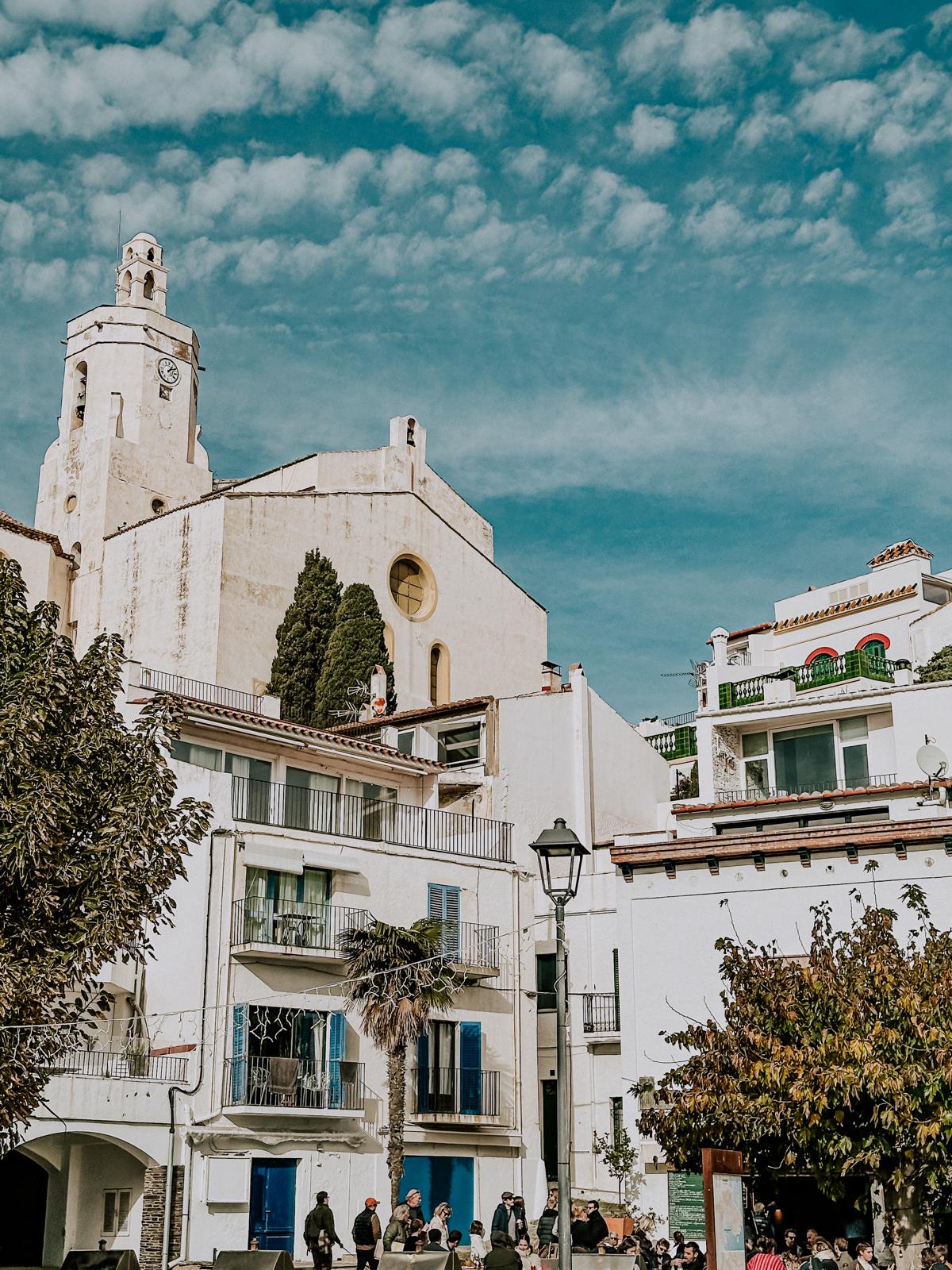
People often compare these two towns - both whitewashed, both postcard-pretty, both unmistakably Costa Brava. But beyond the aesthetic similarities, lifestyles in these towns differ drastically and falling for one's charm, doesn't automatically mean the other will suit you.
Cadaqués: the end of the road, on purpose
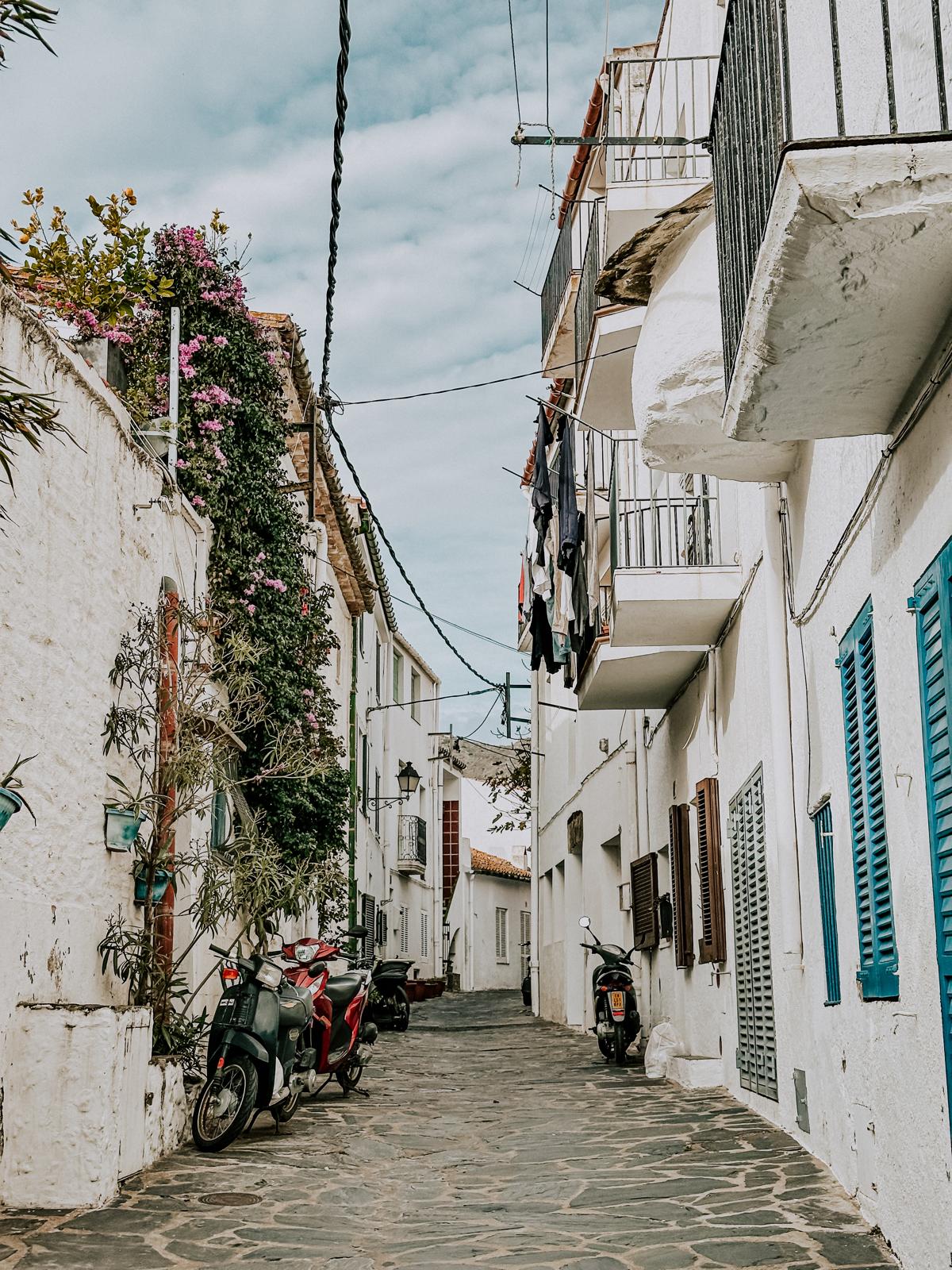
Cadaqués sits at the far tip of the Cap de Creus peninsula, and getting there means driving a famously winding mountain road over the hills, there's no direct coastal highway access, which is precisely why it still feels the way it does: cut off, wind-scoured, and entirely itself. Salvador Dalí built his home in neighbouring Portlligat and the Dalí House-Museum still draws visitors, but the town's real character is bohemian rather than touristic, narrow cobbled streets, art galleries, whitewashed cube houses stacked up a hillside, and the Tramontana wind that locals will tell you shapes the mood of the place as much as the light does. The coves around town, Cala Nans and Cala Montjoi among them, are small and rocky rather than wide sandy beaches, and Cap de Creus Natural Park sits right on the doorstep for anyone who wants serious hiking. Idealista's own market data this year put Cadaqués among the handful of Costa Brava towns pricing well above €4,000 per square metre, with the most exclusive corners reaching up to €8,000. This is a town for people who want remoteness, art, wind, and the sense of being somewhere the rest of the coast hasn't quite reached.
Calella de Palafrugell: the Costa Brava you pictured
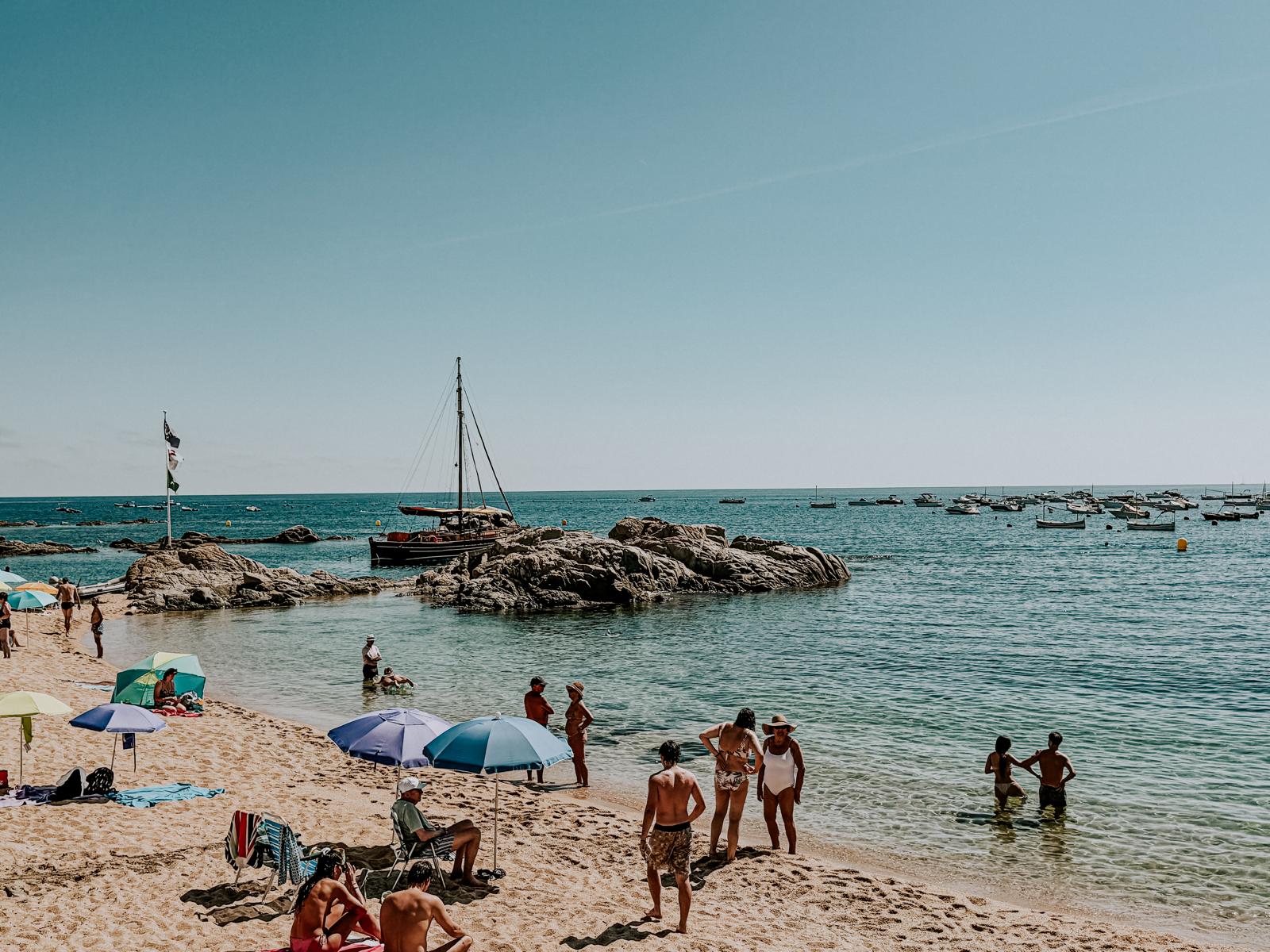
Calella de Palafrugell, by contrast, is the image most people actually have in their head when they say "Costa Brava": terracotta-roofed fishing houses, small boats pulled up onto sand, calm swimmable water, and a pace that feels like you've stepped back several decades. It's one of three coastal settlements, alongside Llafranc and Tamariu, that make up the municipality of Palafrugell, and a coastal walking path along the Camí de Ronda connects all three, so you genuinely can walk between them. Every July, Port Bo beach hosts the Cantada d'Havaneres, a beloved festival of habanera sea-shanty singing traditionally accompanied by cremat, a ritual drink of flaming rum and coffee, it's one of the most distinctly local cultural events on this stretch of coast, and nothing like it happens in Cadaqués. Calella also sits close to the Jardins de Cap Roig botanical gardens, home to a well-known summer music festival. Where Cadaqués feels like an outpost, Calella feels like a village that's simply been left alone to stay beautiful, more accessible, calmer, and generally better suited to families and a social life than Cadaqués's artier, more isolated energy.
So which one is actually right for you?
If what you want is dramatic, remote, art-world bohemian, and you don't mind a drive to see anything beyond the town, that would be Cadaqués. But if what you want is the gentler, more sociable, classic fishing-village Costa Brava, with easier access and bluer waters, Calella de Palafrugell. Both command serious prices for very good reason, but they are not interchangeable, and I'd never let a client buy in one while picturing the other.